Code purple air quality warnings have drawn attention across multiple states this week as wildfire smoke and summer heat combine to push pollution levels into dangerous territory. These alerts signal “very unhealthy” conditions on the Air Quality Index (AQI) and prompt health officials to advise residents to limit outdoor activities. While not the most extreme level, Code Purple represents a serious escalation that affects nearly everyone, healthy or not.
The EPA’s AQI scale translates pollution measurements into color-coded categories that range from green (good) to maroon (hazardous). Code Purple corresponds to AQI values between 201 and 300. At this level, the air poses increased health risks for the general population, not just sensitive groups. Fine particulate matter from smoke can penetrate deep into the lungs, while ozone forms more readily in hot, sunny conditions. Symptoms may include coughing, shortness of breath, eye irritation, and worsened heart or lung conditions.
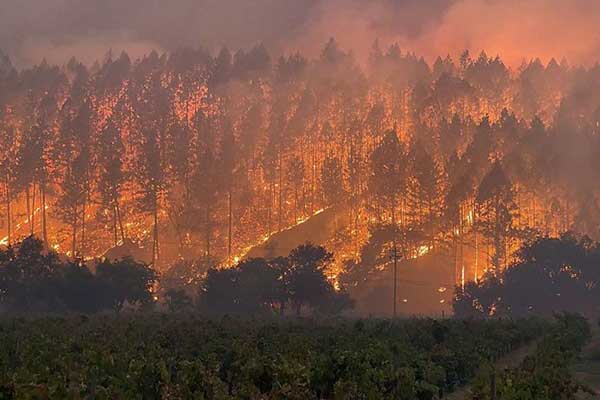
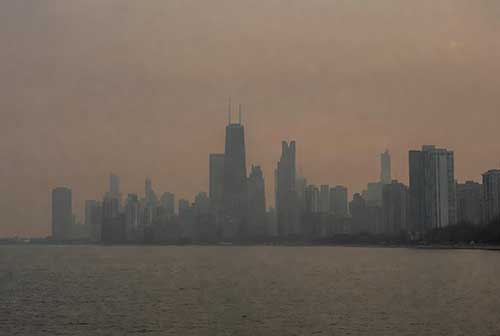
Recent code purple air quality alerts stem primarily from wildfire smoke drifting from Canada and northern Minnesota. Pennsylvania’s Department of Environmental Protection issued broad Code Purple notifications for Friday, July 17, covering much of the state. Minnesota’s Pollution Control Agency reported similar conditions in the northeast and Twin Cities area, where hazy skies and a strong smoke odor were noticeable. Other regions have seen comparable warnings as smoke travels hundreds of miles on prevailing winds.
Understanding the AQI Color Scale
Public health agencies use consistent color coding to help people quickly assess risks:
- Green (0-50): Good air quality with little risk.
- Yellow (51-100): Moderate; generally acceptable but may affect unusually sensitive people.
- Orange (101-150): Unhealthy for sensitive groups such as children, older adults, and those with respiratory issues.
- Red (151-200): Unhealthy for everyone; reduce prolonged outdoor exertion.
- Purple (201-300): Very unhealthy; limit outdoor activity for all and avoid it if possible for sensitive groups.
- Maroon (301+): Hazardous; everyone should stay indoors when feasible.
Code Purple sits just below the emergency-level maroon category. Officials stress that everyone should take precautions at this stage. Sensitive groups should avoid all outdoor physical activity, while others should shorten or reschedule strenuous efforts. Keeping windows closed and using air conditioning or HEPA filters helps protect indoor spaces.
Health Impacts and Who Is Most at Risk
Exposure to poor air quality at Code Purple levels can trigger immediate effects and contribute to longer-term problems. Fine particles (PM2.5) are especially concerning because they bypass the body’s natural defenses. Children, whose lungs are still developing, older adults, and people with asthma, COPD, heart disease, or diabetes face higher risks. Even healthy adults may experience fatigue or irritation during extended time outdoors.
Medical experts recommend monitoring symptoms closely. Those with respiratory conditions should keep quick-relief medications on hand. Pregnant individuals and people with other chronic illnesses should consult doctors about additional steps. In many communities, schools have shifted recess indoors and sports leagues have postponed games.
Practical Steps During Code Purple Air Quality Warnings
Checking local forecasts has become routine for many Americans. Tools like AirNow.gov, state environmental websites, and mobile apps provide real-time AQI readings and alerts by zip code. When a Code Purple warning is active:
- Stay indoors with windows and doors closed.
- Use air purifiers with true HEPA filters if available.
- Avoid burning candles, using gas stoves, or other indoor pollution sources.
- Wear a well-fitting N95 or KN95 mask when stepping outside is necessary.
- Reschedule outdoor exercise or yard work for times when air quality improves, often after sunset or when winds shift.
Communities can also take collective action. Reducing vehicle idling, supporting clean energy initiatives, and advocating for better wildfire management all contribute to fewer severe events over time.
Broader Context and Climate Connections
The rise in code purple air quality alerts reflects larger environmental trends. Warmer temperatures and drier conditions fuel more intense wildfire seasons. Smoke events that once affected only nearby areas now impact regions hundreds of miles away. Urban ozone pollution adds another layer during heat waves.
Environmental agencies continue to monitor trends and update guidance. While individual protective measures help in the short term, addressing root causes such as greenhouse gas emissions and land management practices offers the best path toward fewer purple days in the future.
Residents in affected areas should stay informed through official channels and take the warnings seriously. Code Purple air quality conditions remind us that clean air is not guaranteed, even in places far from the flames. By understanding what these alerts mean and acting accordingly, communities can reduce health risks while working toward longer-term solutions.