The Manila clam (Ruditapes philippinarum), a small but resilient bivalve native to the waters of the Indo-Pacific, has become one of the most successful invasive species in the Northern Hemisphere. Recently, biologists confirmed that the Manila clam has established breeding populations along the northwestern Atlantic coastline of the United States. This development marks the final major gap in its global spread across northern waters and raises important questions about ecological impacts, fisheries management, and potential culinary benefits.
Origins and Global Spread of the Manila Clam
Originally found in regions spanning Russia, China, Japan, and the Philippines, the Manila clam earned its common name from early associations with Manila Bay. It thrives in intertidal and shallow subtidal zones, tolerating a wide range of salinities and temperatures. This adaptability has fueled its success as an invader.
The Manila clam first reached North America in the early 20th century, likely hitchhiking with shipments of Pacific oysters (Crassostrea gigas) planted along the West Coast. By the 1920s, established populations appeared in Washington state’s Samish Bay. From there, it spread southward to California and northward into British Columbia. Aquaculture efforts and natural dispersal helped it colonize much of the Pacific coastline, where it became a staple in recreational clamming and commercial harvests.
In Europe, intentional introductions for aquaculture in the 1970s accelerated its spread across the continent’s Atlantic and Mediterranean coasts. The Manila clam proved hardy, outcompeting some native species while providing economic value through farming. Its rapid reproduction—females can release millions of eggs per spawning event—combined with a relatively short time to maturity, allows populations to explode under favorable conditions.
Recent Arrival on the US Atlantic Coast
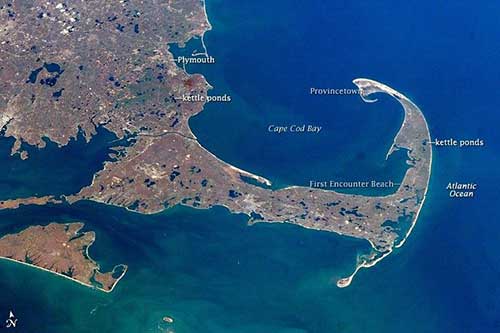
Until 2026, the northeastern United States remained one of the few Manila clam-free regions in the Northern Hemisphere. That changed with reports of reproducing colonies in Cape Cod and Boston Harbor areas. A collaborative team from the University of Massachusetts Amherst, MIT Sea Grant, and the Center for Coastal Studies made the discovery, confirming established populations through field surveys and genetic analysis.
Scientists first suspected the invasion after receiving a tip about unusual clams in the region. Further investigation revealed dense beds capable of self-sustaining reproduction, indicating the Manila clam is no longer just an occasional visitor but a permanent resident. This arrival completes its encirclement of northern coastlines and highlights how climate shifts, shipping traffic, and ballast water continue to facilitate species movement.
Ecological Impacts of the Invasive Manila Clam
As an invasive species, the Manila clam can disrupt local ecosystems in several ways. It competes with native clams, such as the quahog (Mercenaria mercenaria) or soft-shell clams, for space, food, and resources. Filter-feeding bivalves like the Manila clam remove phytoplankton from the water column, potentially altering nutrient cycles and affecting the broader food web.
On the positive side, dense Manila clam beds may help stabilize sediments and provide habitat structure for smaller organisms. However, the long-term effects on biodiversity in sensitive areas like Cape Cod’s estuaries remain under study. Researchers are monitoring whether the Manila clam will hybridize with native species or introduce new parasites.
Warmer waters associated with climate change may further aid the Manila clam’s northward expansion along the Atlantic coast. Its tolerance for varying conditions gives it an edge over some cold-adapted native species.
Economic and Culinary Opportunities
Despite its invasive status, the Manila clam offers potential benefits. It is prized for its sweet, tender meat and is a popular seafood delicacy in many cultures. In the Pacific Northwest and Europe, commercial farming of Manila clams supports local economies and provides a sustainable protein source.
In the Northeast US, the arrival of the Manila clam could open new recreational and small-scale commercial opportunities for clam diggers and seafood enthusiasts. Regulated harvesting might help control populations while generating revenue. However, state agencies will need to develop management plans to balance ecological protection with utilization.
Management and Future Outlook
Early detection gives scientists a unique chance to study the invasion from its initial stages. Ongoing monitoring by groups like MIT Sea Grant will track spread rates, population densities, and interactions with native species. Public reporting of sightings can aid these efforts.
Prevention remains key for other potential invaders. Stricter ballast water regulations and improved aquaculture biosecurity can slow future introductions. For the Manila clam, a balanced approach—neither full eradication (which may prove impossible) nor unchecked spread—is likely the practical path forward.
The story of the Manila clam illustrates the complex nature of invasive species. What begins as an accidental introduction can evolve into both a challenge and a resource. As populations establish along more US shores, continued research and adaptive management will determine whether the Manila clam becomes a problematic pest or a valuable addition to coastal ecosystems and dinner tables.
Coastal residents and visitors should stay informed through local wildlife agencies. If you spot unfamiliar clams while exploring beaches from Cape Cod to points south, consider documenting and reporting them. The Manila clam serves as a reminder of how connected our oceans are—and how quickly changes can ripple across shores.