Canadian wildfires continue to dominate headlines in mid-July 2026, with intense activity in Ontario sending smoke across North America. This season’s Canadian wildfires highlight ongoing challenges from extreme weather and climate patterns. Hundreds of fires are currently burning, affecting air quality from Toronto to major U.S. cities in the Northeast and Midwest.
Current Status of Canadian Wildfires
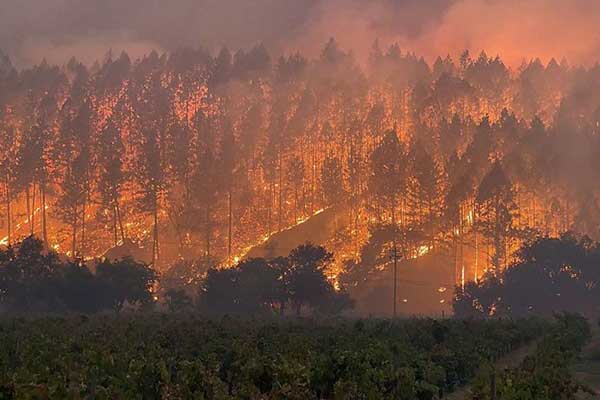
As of July 15, 2026, Ontario remains the primary hotspot for Canadian wildfires. Provincial reports indicate over 128 active fires in northwestern Ontario, with dozens more burning in southern regions. Many fires are out of control, prompting evacuations and infrastructure disruptions, including rail operations near Armstrong where a train crew narrowly escaped a fast-moving blaze.
Nationwide, hundreds of Canadian wildfires are active. While western provinces like Alberta and British Columbia have seen more moderate conditions due to earlier rainfall, eastern and northern areas face heightened risks. The Canadian Interagency Forest Fire Centre coordinates national response efforts, deploying thousands of firefighters, water bombers, and support crews.
Smoke from Canadian Wildfires Spreads South
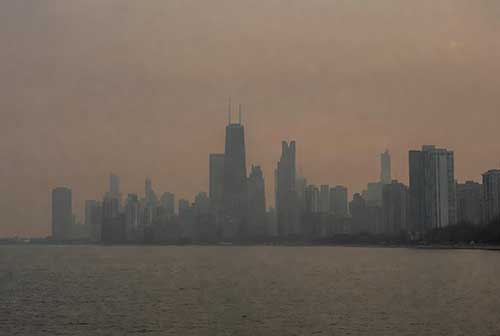
One of the most visible impacts of the 2026 Canadian wildfires is the widespread smoke. Thick plumes have created hazy, orange skies over Toronto, at times recording some of the worst air quality globally. Winds have carried the smoke into the United States, triggering air quality alerts in New York City, Boston, Detroit, Chicago, Buffalo, and other areas. Residents report a strong campfire odor and reduced visibility, with health officials advising sensitive groups to stay indoors.
Ground-level smoke concentrations have reached unhealthy to hazardous levels in many locations. Public health recommendations include limiting outdoor activities, using N95 masks, and monitoring local air quality indexes. This cross-border effect demonstrates how Canadian wildfires influence regions far beyond national borders.
Trends and Causes Behind Canadian Wildfires
Recent analyses of Canadian wildfires reveal shifting patterns. Although the total number of fires has declined over decades, individual blazes are growing larger and more destructive. Climate change contributes significantly by extending fire seasons, drying out forests, and increasing extreme weather events. The 2023 and 2024 seasons ranked among the worst on record, and 2026 continues to test response capabilities.
Lightning strikes, dry conditions, and occasional human activity spark many of these Canadian wildfires. In Alberta’s oil sands region, early-season fires near Fort McMurray raised concerns for energy production, though rainfall later reduced immediate threats. Saskatchewan and Manitoba also declared emergencies earlier in the year due to rapid fire spread.
Impacts of the 2026 Canadian Wildfires
The human and economic costs of Canadian wildfires are substantial. Communities face evacuations, property threats, and health issues from prolonged smoke exposure. Indigenous First Nations often lead local response efforts and issue targeted alerts. Industries such as tourism, forestry, and transportation experience disruptions, while wildlife habitats suffer long-term damage.
Firefighting operations remain intensive. Advanced detection technology, prescribed burns, and international partnerships help mitigate losses. However, remote terrain and variable winds complicate containment efforts for many Canadian wildfires.
Outlook and Preparedness for Canadian Wildfires
Forecasts indicate continued hot and dry weather in vulnerable regions, including the Northwest Territories, Nunavut, and northern Manitoba. Officials warn that fire danger could persist through late summer. Experts emphasize proactive measures such as community preparedness plans, fire bans, and public education to reduce risks from Canadian wildfires.
As climate patterns evolve, Canadian wildfires are expected to pose recurring challenges. Investments in forest management and emission reductions will play key roles in long-term mitigation. For now, residents in affected areas should stay informed through official provincial fire reports and Environment Canada updates.
The 2026 Canadian wildfires underscore the need for vigilance and cooperation across borders. While firefighters work tirelessly to contain active blazes, the broader conversation around prevention and resilience continues. Stay safe and monitor local conditions as this dynamic situation develops.